You sell an ingredient or co-product
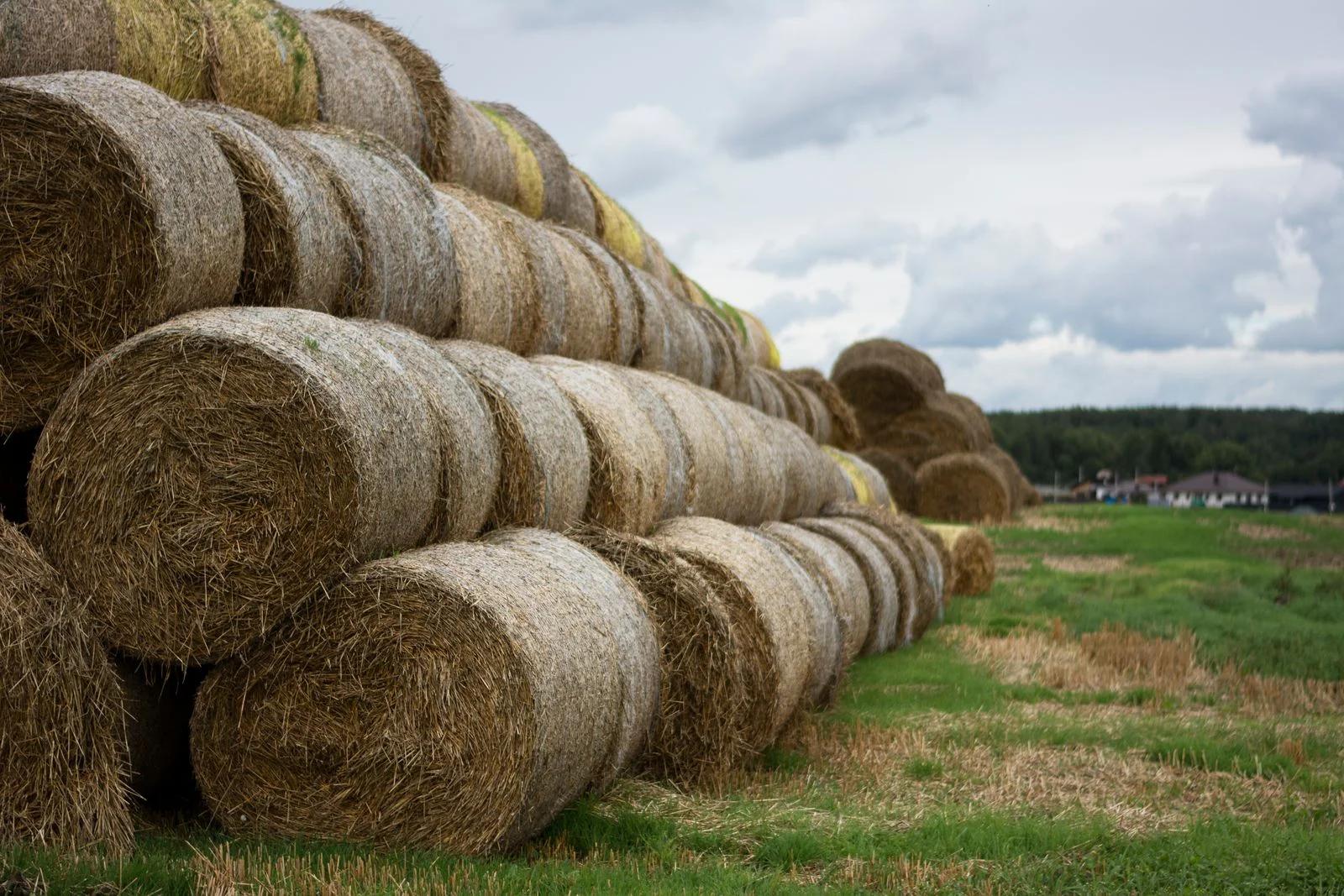
Describe the material, origin and available analyses. For hay, specify the type, harvest and packaging; for whey, dry matter and storage. Include volumes, loading location and possible dates.
Offer a material
Market 03 — Animal feed & pet food
AgriBiomasse trades materials for animal feed, including hay and concentrated acid whey. For pet food requirements, the buyer’s specification guides sourcing and qualification before any proposal is made.
Our role in this market
Hay and concentrated acid whey involve distinct purchasing and delivery requirements. For hay, we establish the product type, harvest, storage and packaging. For whey, composition, dry matter and storage conditions are assessed with the buyer. Quantities and availability are confirmed for each lot.
Understand our role as a traderMaterials on enquiry
Alongside hay and whey, these material groups can be assessed against your specifications. Species, formulation and required grade guide the search.
Rapeseed, sunflower and soybean meals. Protein, fibre, residual oil and origin to be specified.
Wheat bran and middlings. Composition, particle size, product form and storage conditions to be defined.
Pressed or dried, loose or pelletised. Dry matter, storage and receiving requirements to be assessed.
Wet or dried grains and inactivated yeasts. Nutritional composition, moisture and stability to be qualified.
Chopped or pelletised. Protein and fibre content, packaging and delivery schedule to be specified.
Rice, maize, peas and starches. Safety specifications, functional properties and traceability matched to the manufacturer’s requirements.
Sourcing against your specifications. Availability, quality and suitability for the intended use are confirmed before any offer.
Your trade
Describe the material, origin and available analyses. For hay, specify the type, harvest and packaging; for whey, dry matter and storage. Include volumes, loading location and possible dates.
Offer a materialSpecify the species or application, nutritional characteristics and documents required. For pet food, share your manufacturing specification. Include volume, frequency and reception constraints.
Source a materialPreparing the conversation
Offers are compared using the lot’s analyses and the buyer’s requirements.
Target species and application, dry matter, protein, fibre and fat as relevant to the ingredient. Analyses and functional characteristics are assessed against the intended formulation.
Origin, lot identification, quality documents and storage conditions. Shelf life and transport arrangements are specified before the commercial agreement.
Volume, schedule and packaging. For whey, state whether pricing is per tonne of liquid product or dry matter so that offers can be compared.
Common questions
Availability can be occasional and vary with production. Quantities, composition and dates are confirmed before agreeing supply. Recurring requirements must be assessed against this schedule and the recipient’s storage capacity.
Specify the species, food type and manufacturing requirements. Enquiries may cover rice, maize, peas or starches. Safety specifications, functional characteristics and quality documentation are checked for the pet food application before any proposal.