You have a material to offer
Provide the product’s origin, technical data sheet and lot analyses. State volumes, possible dates, packaging and loading location so we can assess the purchase and transport terms.
Offer a material
Market 02 — Biofuels & biomass
AgriBiomasse trades materials for energy applications, including olive pits for biomass energy. Biofuel feedstock requirements are assessed against process specifications, material origin and the documents the buyer requires.
Our role in this market
An olive pit proposal starts with the lot’s analyses, loading location and the receiving installation’s requirements. We assess calorific value, moisture, ash content and logistics before negotiating quantities and price. Availability and the required documents are confirmed for the proposed transaction.
Understand our role as a traderMaterials on enquiry
Solid fuels and biofuel feedstocks serve different processes. Each enquiry is assessed against the installation, origin and required documentation.
Chipped wood for compatible boilers. Moisture, particle size, origin and delivery conditions to be defined.
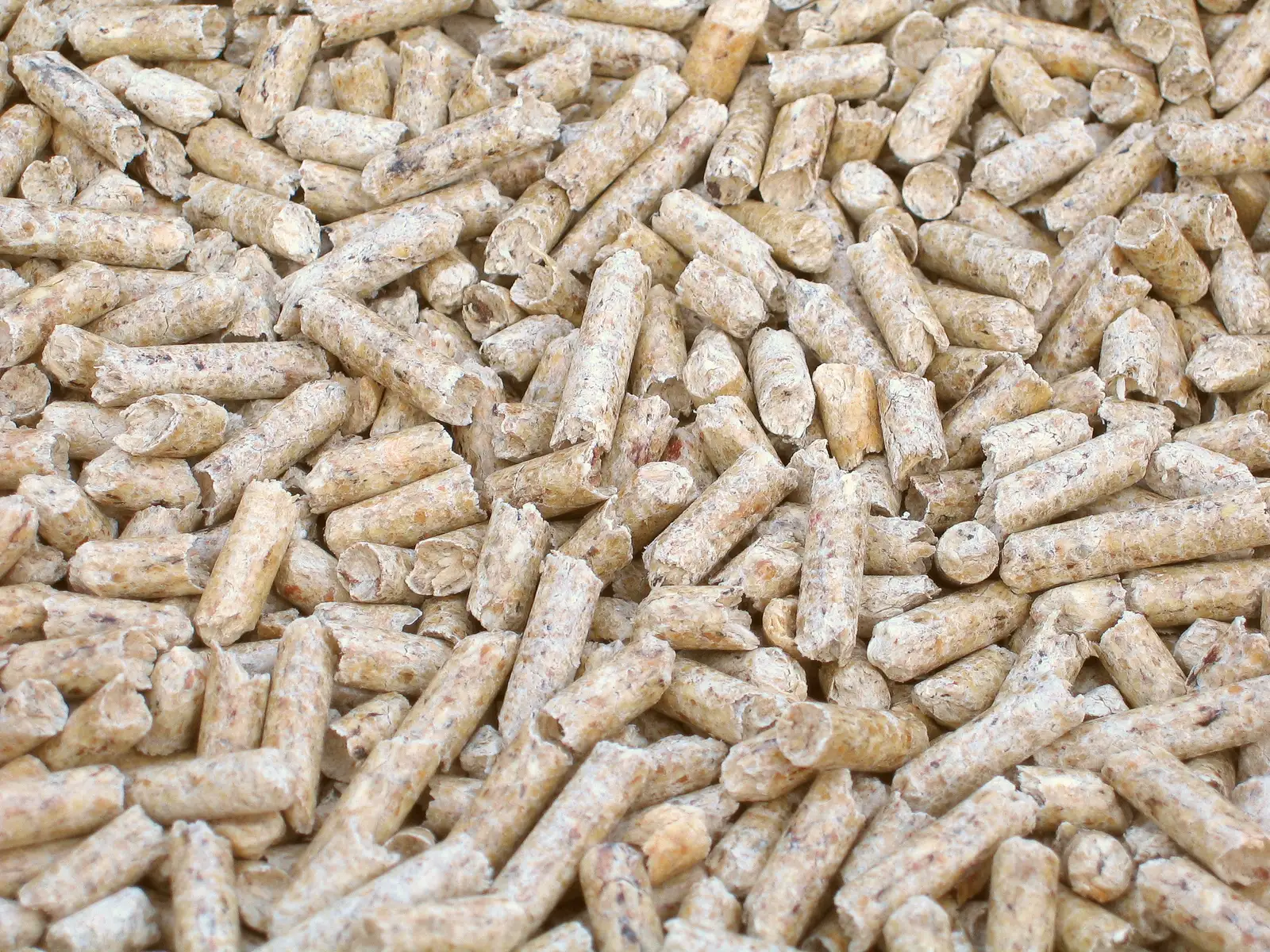
Bulk or packaged pellets. Dimensions, calorific value, ash content and quality requirements to be specified.
Walnut shells, almond shells or sunflower husks. Ash, moisture and boiler compatibility to be checked.
Chopped or pelletised agricultural biomass. Form, composition and combustion behaviour to be assessed with the site.
Feedstocks for biofuel production. Origin, traceability, acidity, water and impurities to be qualified.
Rapeseed or sunflower oils, depending on the lot. Acceptance depends on the process, analyses and supply-chain documentation.
Sourcing against your specifications. Availability, quality and suitability for the intended use are confirmed before any offer.
Your trade
Provide the product’s origin, technical data sheet and lot analyses. State volumes, possible dates, packaging and loading location so we can assess the purchase and transport terms.
Offer a materialSpecify the material required, your process’s technical limits and the documents you need. Delivery site, quantity per load and schedule allow proposals to be compared on a delivered basis.
Source a materialPreparing the conversation
Technical characteristics and commercial terms must describe the same lot.
Calorific value, moisture and ash for solid fuels; acidity, water and impurities for oils. Measurement basis and process limits are specified so lots can be compared.
Source, product preparation and lot traceability. The buyer’s documentary requirements are assessed before agreeing the intended use and terms of sale.
Available volume, packaging, loading capacity and route to the site. Material price and logistics costs are considered alongside the receiving schedule.
Common questions
State the intended use, the characteristics your installation accepts and the documents required. Include the delivery location, volumes and periods of demand. We can then assess proposed lots and develop the commercial terms.
For used cooking oils or off-spec vegetable oils, specify accepted origins, acidity, water and impurity limits, and the supporting documents required. Acceptance depends on your process and lot traceability. Sourcing takes place on enquiry, before availability is confirmed.