
Market 05 — Fertilizers & circular outlets

Outlets for nutrient-rich materials.

AgriBiomasse assesses purchases and sales of organic materials for fertilization and circular outlets. For livestock manure composts, each proposal depends on the lot’s composition, documentation and intended use.

Our role in this market

Livestock manure composts.

Enquiries include composts made from blends of livestock manures. Their origin and composition must be specified for each lot, together with available analyses. We assess these against the recipient’s requirements before negotiating purchase, resale and transport. The name compost alone does not confirm suitability for fertilizer use.

Understand our role as a trader

Materials on enquiry

Further materials for fertilization.

These outlets are assessed against composition, product status and destination. Eligibility to market and use each lot must be established before the transaction.

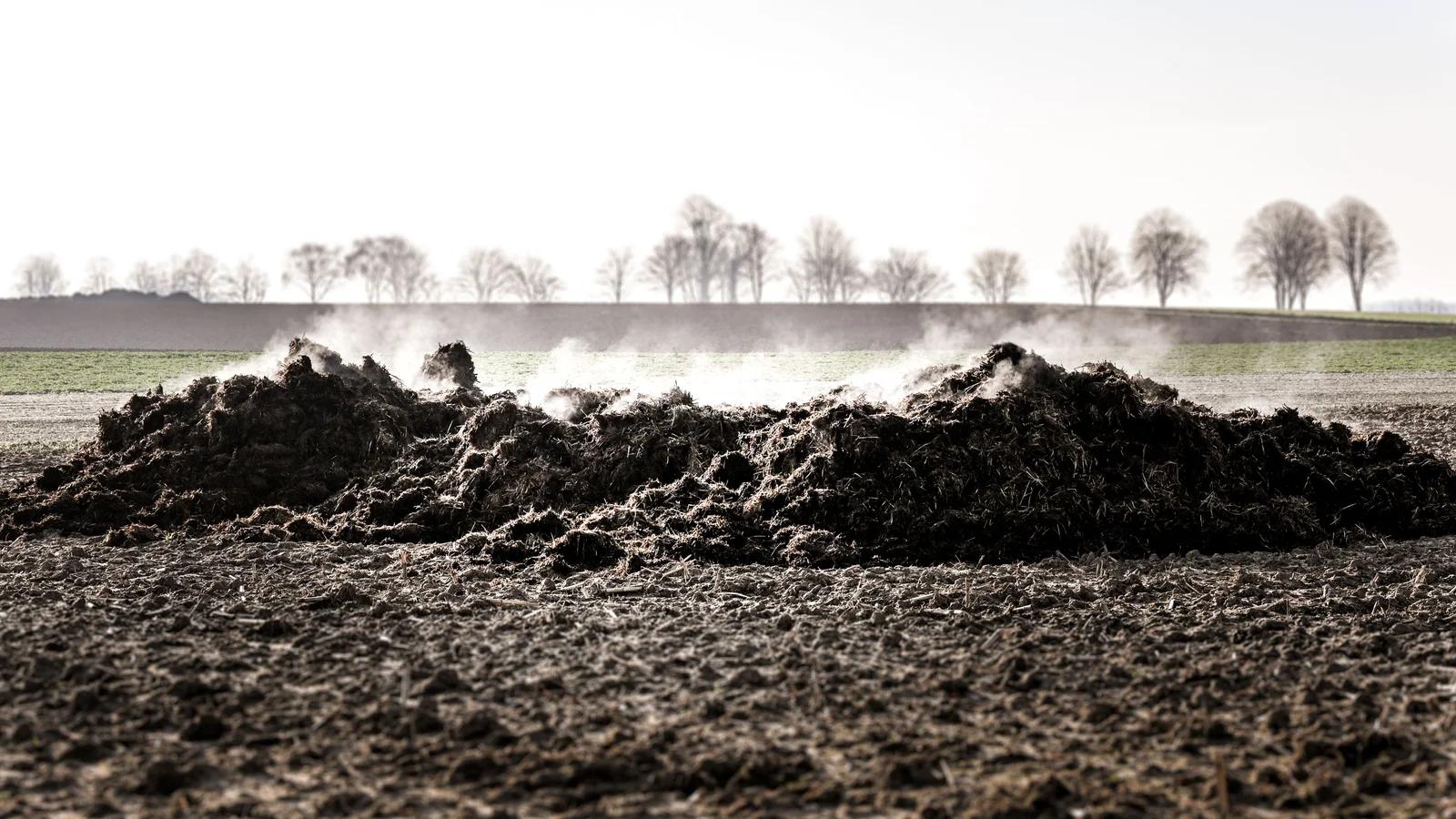
A pile of manure beside an agricultural field.
ManureIllustrative photograph
  • Green-waste composts

    Composts from plant residues. Maturity, organic matter, unwanted materials and marketing documentation to be assessed.

  • Whole and liquid digestates

    Whole digestate or separated liquid fractions. Original inputs, analyses and the intended recovery route to be qualified.

  • Solid digestate fractions

    Separated, dried or composted. Dry matter, treatment and conditions of use to be documented.

  • Pelletised organic fertilizers

    Products based on livestock or poultry manure. Composition, treatment, nutrients and product status to be checked.

  • Sugar-industry vinasse

    Beet or cane vinasse. Concentration, composition and suitability for fertilizer use to be confirmed.

  • Sugar beet factory lime

    Materials to assess as liming amendments. Neutralising value, fineness and product documentation to be examined.

Sourcing against your specifications. Availability, quality and suitability for the intended use are confirmed before any offer.

Your trade

Sell a material. Build a supply route.

You have a material to valorise

Describe the material, its composition, origin and treatment. Provide analyses and documents relating to its marketing and possible uses. Specify quantity, loading location and schedule so we can assess purchase terms.

Offer a material

You are looking for a nutrient-rich material

State the destination, intended use and expected characteristics. Required analyses and documents, schedule and reception equipment allow us to assess a lot and develop a commercial proposal.

Source a material

Preparing the conversation

Match composition with a documented use.

Lot qualification comes before selecting an outlet and arranging transport.

  1. Material origin and composition

    Original inputs, treatment, dry matter, organic matter and nutrient or neutralising-value analyses as relevant to the product. Stated values must relate to the lot offered.

  2. Documents and destination

    Product identification, quality documents and information relevant to the intended use. Recipient acceptance and applicable conditions are assessed before the trade.

  3. Quantities and transport

    Available volume, loading location, storage and reception equipment. Delivered cost is built around distance, schedule and packaging.

Common questions

The first points to clarify.

What information is needed to offer a manure compost?

Start with its composition, origin, treatment and a representative analysis. Add the available documents on its status and uses, then quantity, location and loading dates. This allows us to assess the outlet and purchase terms.

Can digestate or compost be marketed directly?

The material name alone does not establish eligibility. Product status, inputs, treatment, analyses and marketing documentation must be assessed for the intended destination. Commercial and logistics terms are defined once this recovery route has been confirmed.