
Market 01 — Biogas & biomethane

Feedstocks suited to your anaerobic digestion needs.

AgriBiomasse buys and sells feedstocks for biogas and biomethane sites: food-waste slurries, starch, off-spec fries, ensiled catch crops and composted poultry manure. Each proposal matches the lot’s characteristics with the receiving site’s requirements.

Our role in this market

Identified feedstocks for your site.

Our trades cover liquid and solid materials: food-waste slurries, starch, potato co-products, ensiled catch crops, composted poultry manure and manure-cereal blends. We negotiate purchase, resale and delivery terms according to available lots. Composition and methane potential are assessed using the analyses for the proposed lot.

Understand our role as a trader

Materials on enquiry

Further feedstocks to assess.

These material groups can broaden your feedstock search. Their suitability depends on the digester’s feed mix, equipment and accepted inputs.

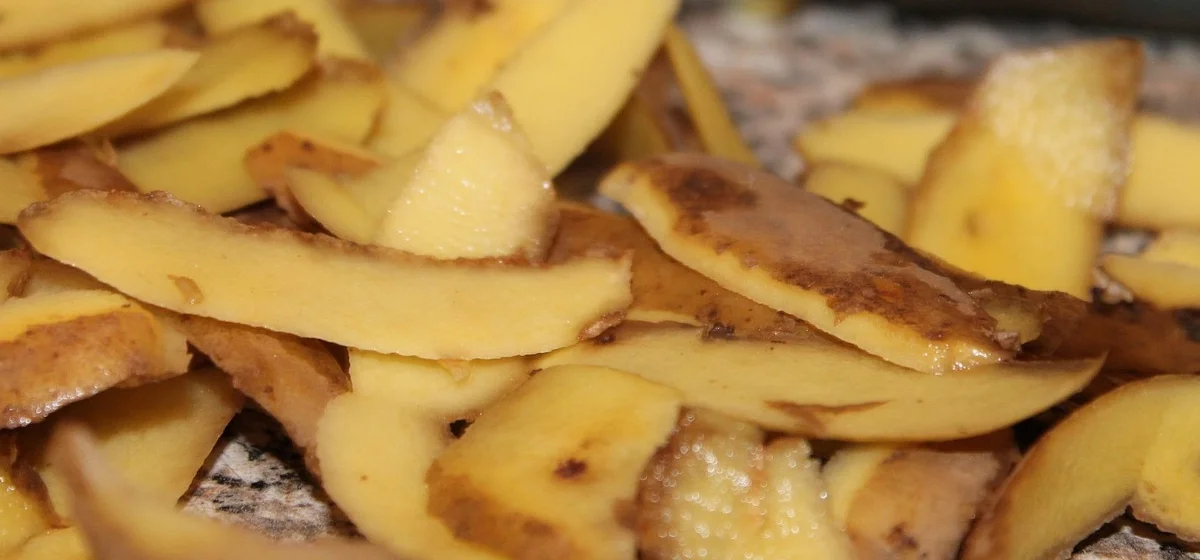
A close-up photograph of potato peels.
Potato peelsIllustrative photograph
  • Sugar beet pulp

    Fresh, pressed or ensiled. Dry matter, storage conditions and seasonal availability to be specified.

  • Brewers’ grains

    Wet or dried. Composition, storage and collection frequency to be assessed.

  • Fruit and vegetable co-products

    Pulps, sorting residues and off-spec lots. Mix composition, preparation and unwanted materials to be checked.

  • Cereal co-products

    Bran, fines and screenings. Origin, particle size and analyses to be checked against site acceptance criteria.

  • Bakery co-products

    Off-spec bread, biscuits and pasta. Composition and depackaging to be documented before assessing the lot.

  • Liquid food-industry co-products

    Whey, molasses and vinasse. Dry matter, salt content and storage conditions to be specified.

Sourcing against your specifications. Availability, quality and suitability for the intended use are confirmed before any offer.

Your trade

Sell a material. Build a supply route.

You have a material to sell

Specify the material, origin, volume and production frequency. Share the available analyses and state the loading location, whether the material is liquid or solid, and the loading equipment. This allows us to assess a purchase and a compatible destination.

Offer a material

You are looking for feedstocks

Specify the feedstocks your installation accepts, the analyses required and the quantities needed. Include storage capacity, unloading arrangements and your preferred schedule so we can develop a proposal on a delivered basis.

Source a material

Preparing the conversation

Qualify the lot before scheduling deliveries.

The same material can vary with its origin, preparation and storage conditions.

  1. Composition and methane potential

    Feedstock type, dry matter, available analyses and methane-potential data. For blends, specify the component materials and their variability.

  2. Origin and site acceptance

    Source, any treatment, lot identification and the documents required by the recipient. Feedstock acceptance is checked for each installation.

  3. Volume and reception

    Quantity per load, frequency, storage and transport suited to the material. The schedule and unloading constraints form part of the delivered cost.

Common questions

The first points to clarify.

How do you compare food-waste slurry, starch and ensiled catch crops?

The comparison uses the lot’s actual characteristics: dry matter, available analyses, methane potential and delivered cost. The site’s feedstock mix, storage and reception equipment also matter. A generic figure cannot replace the data for the product offered.

Can we begin with a trial truckload?

A first truckload can be arranged once the material, documents, price and reception conditions are agreed. Feedback from the site helps define the expected characteristics and assess a delivery schedule according to availability.